10x50 vs 15x70 Binoculars for Astronomy: Which to Choose
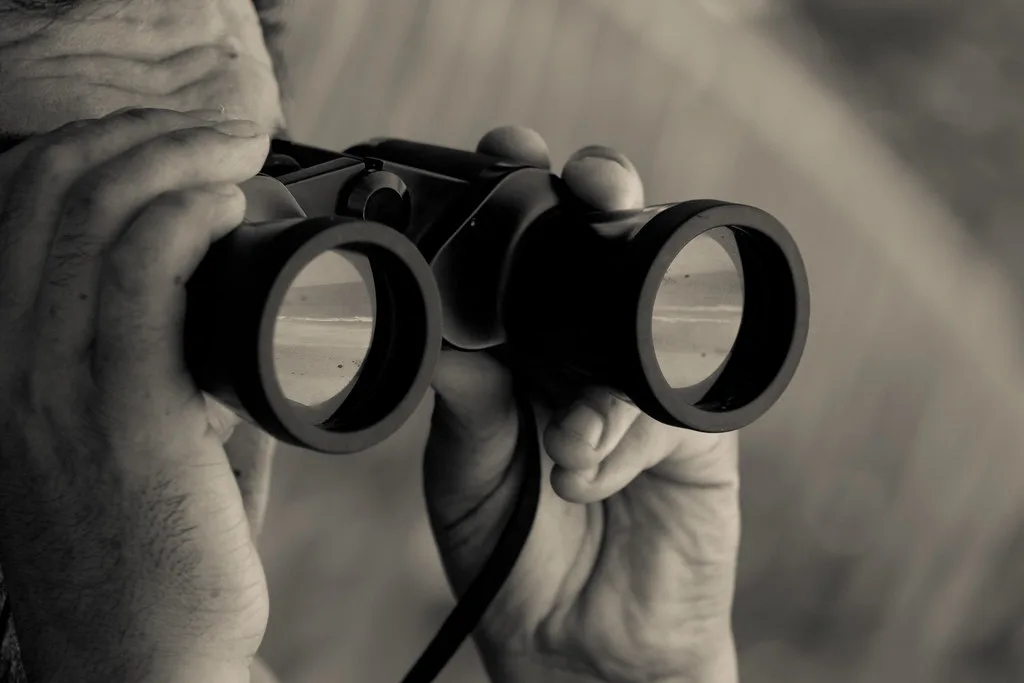
The 10x50 vs 15x70 binoculars question is the one almost every beginner hits once they realise a telescope is not the only way into the night sky. Both are genuinely good for stargazing, both show you far more than your eyes alone, and both cost a fraction of a decent scope. The difference is not that one is better and one is worse. It is that they suit different observers, and picking the wrong one leaves you with either a pair you outgrow in a month or a pair you can never hold still. Here is how the two sizes actually differ, and how to tell which one belongs round your neck.
What the numbers mean
Both figures follow the same format: magnification times objective lens diameter in millimetres. So a 10x50 magnifies ten times through 50mm lenses, and a 15x70 magnifies fifteen times through 70mm lenses. Two things flow from that:
- Aperture gathers light. The 70mm objectives on a 15x70 collect close to twice as much light as the 50mm objectives on a 10x50. More light means fainter star clusters, nebulae and galaxies come into view.
- Exit pupil is brightness per eye. Divide the objective by the magnification. The 10x50 gives a 5mm exit pupil, the 15x70 around 4.7mm. Both sit in the sweet spot for a dark-adapted eye, so images look bright in each.
Higher magnification is not automatically better. It narrows the view and magnifies every wobble of your hands, which is where the real trade-off lives.
Field of view: how much sky you see
A typical 10x50 shows around 6.5 to 6.8 degrees of sky, wide enough to frame the whole Pleiades with room to spare and to sweep the Milky Way comfortably. A 15x70 like the Celestron SkyMaster shows about 4.4 degrees. That tighter view brings you closer to detail, but it also makes it harder to find your target, because there is less sky in the eyepiece to orient by. For beginners still learning to star-hop, the wider 10x50 view is more forgiving.
Weight and the tripod question
This is the deciding factor for most people. A 10x50 pair weighs somewhere around 750 to 800g, light enough to hold to your eyes for a good while and to carry on a walk without noticing. A 15x70 is roughly 1.3 to 1.4kg, nearly twice as heavy.
Weight matters because of shake. At 10x, a steady person can hold the image acceptably still by hand, especially braced against a wall or lying back in a chair. At 15x, hand tremor is magnified enough that the view visibly dances, and after a minute your arms tire and it gets worse. In practice a 15x70 wants a tripod, and most come with a built-in adapter thread for exactly that reason. If you buy a 15x70, budget for a sturdy photo tripod and an L-shaped adapter, or accept that handheld views will be a compromise.
So which should you buy?
Choose 10x50 if you are:
- New to stargazing and still learning the sky
- Going to hold them by hand, on walks, or grab-and-go from the back door
- Wanting one pair that also works for wildlife, sport and landscapes
- Observing mostly the Moon, bright clusters, double stars and constellations
Choose 15x70 if you are:
- Happy to use a tripod every session
- Chasing fainter deep-sky objects: more galaxies, nebulae and globular clusters
- Observing from a fixed spot like a garden or a car boot rather than on the move
- Already comfortable finding your way around the sky
For a genuine first pair, the 10x50 is the safer recommendation almost every time. It does more things well, it never forces you to carry a tripod, and it still reveals Jupiter’s four bright moons, craters along the lunar terminator, and the Andromeda Galaxy as a soft glow. The 15x70 is the better second pair, or the right first pair only if you already know you will always set up on a tripod. Celestron’s own SkyMaster range is the usual starting point for 15x70, while a 10x50 porro like the UpClose G2 is a common entry choice.
Whatever you land on, keep expectations honest: binoculars show smudges of light and pinpoint stars, not the coloured Hubble-style images people sometimes imagine. For more on that, see our guides to what you can realistically see with binoculars at night and whether you need a tripod for stargazing binoculars. If you are still weighing binoculars against a first scope, read telescope vs binoculars for stargazing.
Frequently asked questions
Are 10x50 or 15x70 binoculars better for astronomy? Neither is outright better. 10x50 binoculars are lighter, easier to hold steady and wider in view, which suits beginners and handheld use. 15x70 binoculars gather more light and magnify more, showing fainter objects, but they are heavy enough to need a tripod. Match the choice to how you will actually observe.
Can you use 15x70 binoculars without a tripod? You can hold them briefly, but at 15x magnification hand tremor makes the image wobble noticeably, and their weight tires your arms quickly. For steady, enjoyable views most people find a tripod or monopod essential with 15x70 binoculars.
What can you see with 10x50 binoculars? A 10x50 shows lunar craters and mountains, Jupiter’s four Galilean moons, the phases of Venus as a shape, bright open clusters like the Pleiades and Beehive, and larger galaxies such as Andromeda as a faint smudge under dark skies.
Do 15x70 binoculars show more than 10x50? Yes, on faint objects. The larger 70mm lenses gather roughly twice the light and the extra magnification pulls in more detail on clusters and nebulae, provided you keep them steady on a tripod. On bright, wide targets the difference is smaller.
Which is best for a complete beginner? The 10x50 is the better first pair for most beginners. It is easier to hold, easier to aim, doubles for daytime use, and still delivers rewarding views of the Moon, planets and brighter deep-sky objects without extra kit.
Are these binoculars any good for the planets? Both show Jupiter’s moons and Saturn as a non-round shape, but neither resolves Saturn’s rings clearly or shows planetary detail. Binoculars are best for the Moon, star fields and deep-sky objects; a telescope is the tool for planetary detail.
Clear skies forecast? Get a nudge.
Our weekly email flags the next good UK observing window and one easy target to find.
Join the listMore from Starvest
Keep reading
Best Telescopes for Beginners in the UK (Tested by Price Bracket)
The best beginner telescopes in the UK by budget, from sub-£150 tabletop scopes to app-guided and smart telescopes, with real 2026 prices.
What Can You See with Binoculars at Night? A Realistic Astronomy List
A realistic list of what you can see with binoculars in astronomy, from the Moon and Jupiter's moons to Andromeda, with tips for spotting each from the UK.
How to Set Up and Use Your First Telescope (Step by Step)
How to use a telescope as a beginner: assemble the mount, align the finder, focus, and find your first targets. A clear step-by-step UK guide.