Telescope Field of View Calculator: Will the Target Fit?
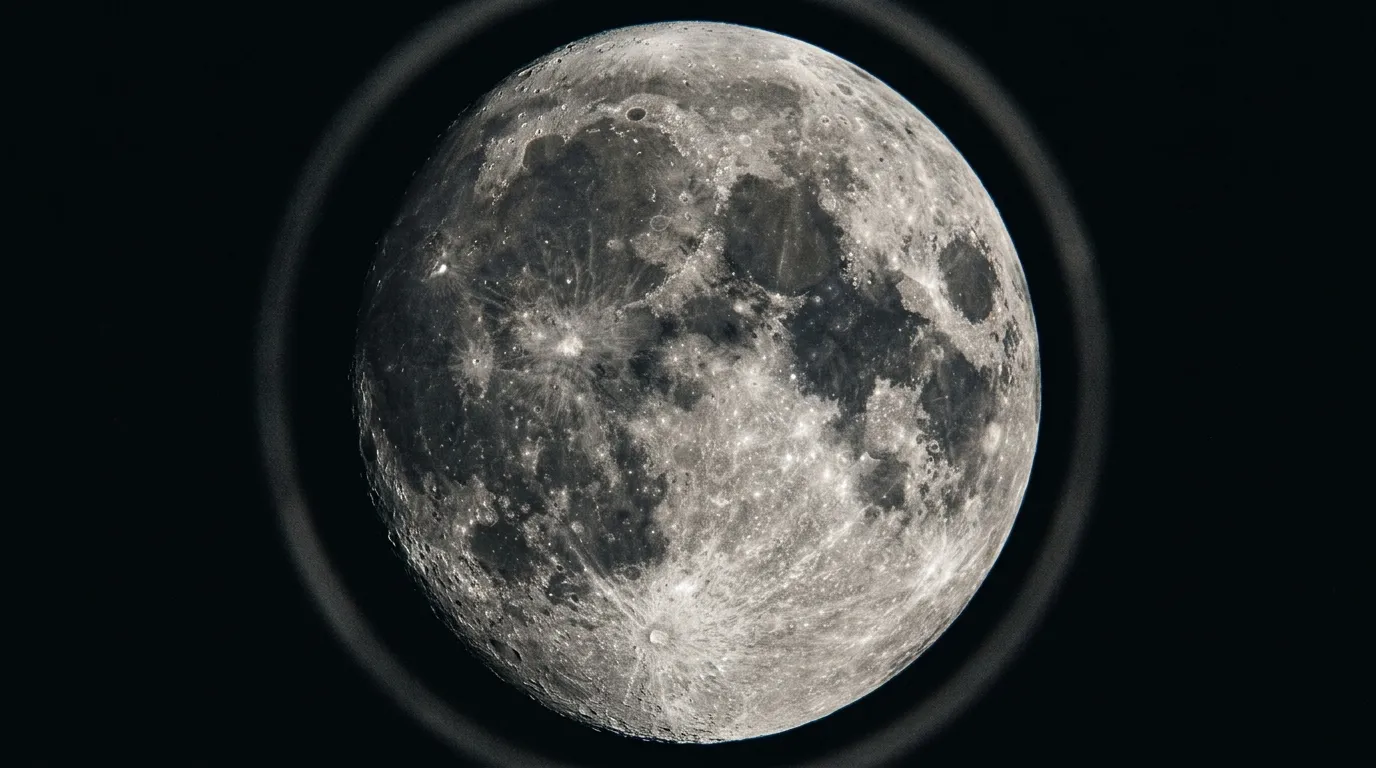
A common surprise for beginners: the Andromeda Galaxy is six times wider than the full Moon, while a small galaxy is a tiny speck. This works out the true field of view your eyepiece shows, then tells you which popular targets fit inside it. The key formula is simple: true field of view equals the eyepiece's apparent field of view divided by the magnification.
The apparent field of view is a fixed property of the eyepiece design, printed in its specs (a plain Plossl is usually around 50 to 52 degrees, a wide-angle eyepiece 68 degrees or more). Dividing it by the magnification gives the true field, the actual patch of sky you see. For framing large objects like the Pleiades or the Andromeda Galaxy you want a wide true field, which means a long-focal-length eyepiece, ideally with a wide apparent field.
Clear skies forecast? Get a nudge.
Our weekly email flags the next good UK observing window and one easy target to find.
Join the listMore from Starvest
Keep reading
Best Telescopes for Beginners in the UK (Tested by Price Bracket)
The best beginner telescopes in the UK by budget, from sub-£150 tabletop scopes to app-guided and smart telescopes, with real 2026 prices.

What Can You See with Binoculars at Night? A Realistic Astronomy List
A realistic list of what you can see with binoculars in astronomy, from the Moon and Jupiter's moons to Andromeda, with tips for spotting each from the UK.
How to Set Up and Use Your First Telescope (Step by Step)
How to use a telescope as a beginner: assemble the mount, align the finder, focus, and find your first targets. A clear step-by-step UK guide.