Telescope Limiting Magnitude Calculator: Faintest Star You Can See
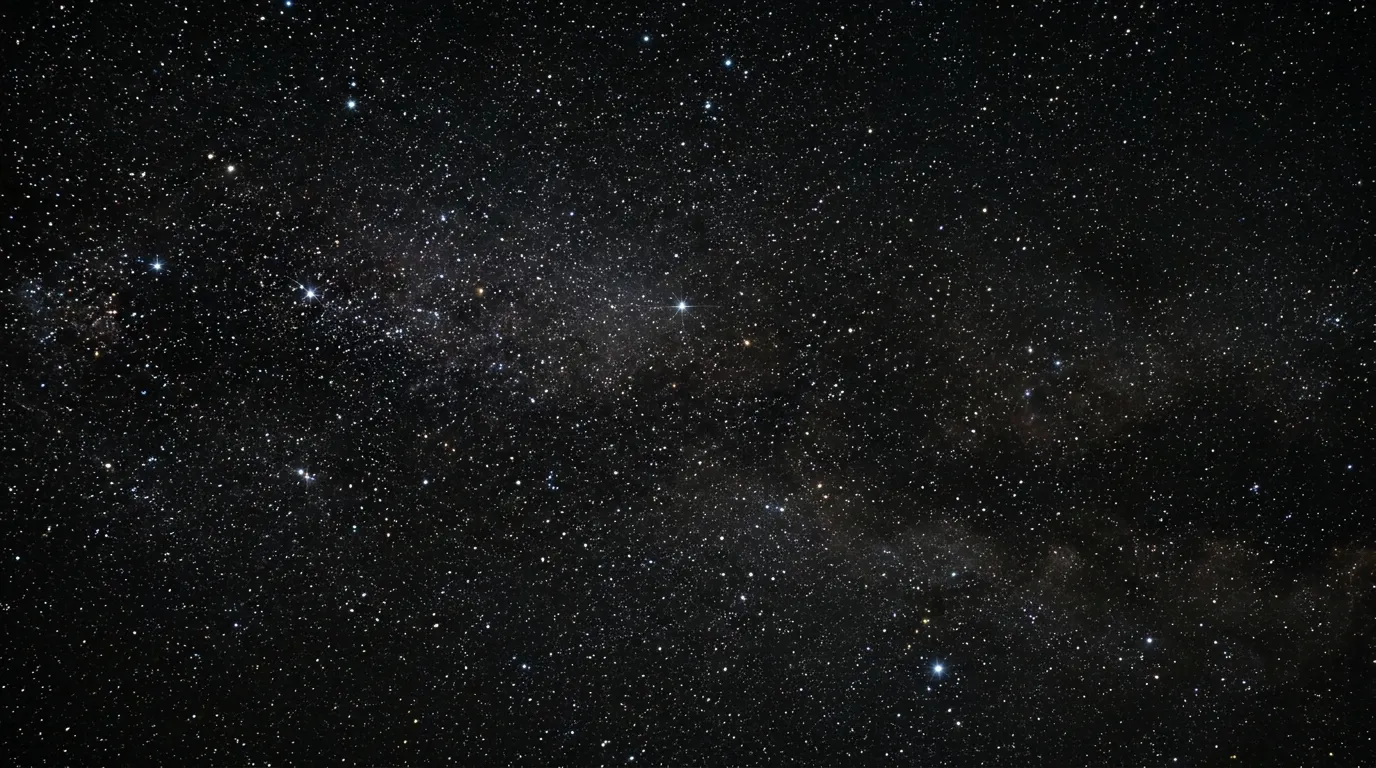
Aperture is the single number that decides how faint you can go. This estimates the faintest star your telescope can reveal under good dark skies and how many times more light it gathers than your naked eye. Because light grasp rises with the square of aperture, a 130mm scope gathers nearly 70% more light than a 100mm one, which is a bigger jump than the numbers suggest.
Limiting magnitude is on the astronomical scale where bigger numbers mean fainter: the dimmest stars the naked eye sees from a dark site are about magnitude 6, while a 200mm telescope reaches past magnitude 13. The figure here is the theoretical reach in good conditions. Real-world results depend on sky darkness, how dark-adapted your eyes are, the object's altitude, and atmospheric steadiness, so treat it as the ceiling rather than a promise.
Clear skies forecast? Get a nudge.
Our weekly email flags the next good UK observing window and one easy target to find.
Join the listMore from Starvest
Keep reading
Best Telescopes for Beginners in the UK (Tested by Price Bracket)
The best beginner telescopes in the UK by budget, from sub-£150 tabletop scopes to app-guided and smart telescopes, with real 2026 prices.
What Can You See with Binoculars at Night? A Realistic Astronomy List
A realistic list of what you can see with binoculars in astronomy, from the Moon and Jupiter's moons to Andromeda, with tips for spotting each from the UK.
How to Set Up and Use Your First Telescope (Step by Step)
How to use a telescope as a beginner: assemble the mount, align the finder, focus, and find your first targets. A clear step-by-step UK guide.