Best Binoculars for Stargazing in the UK: Tested Picks
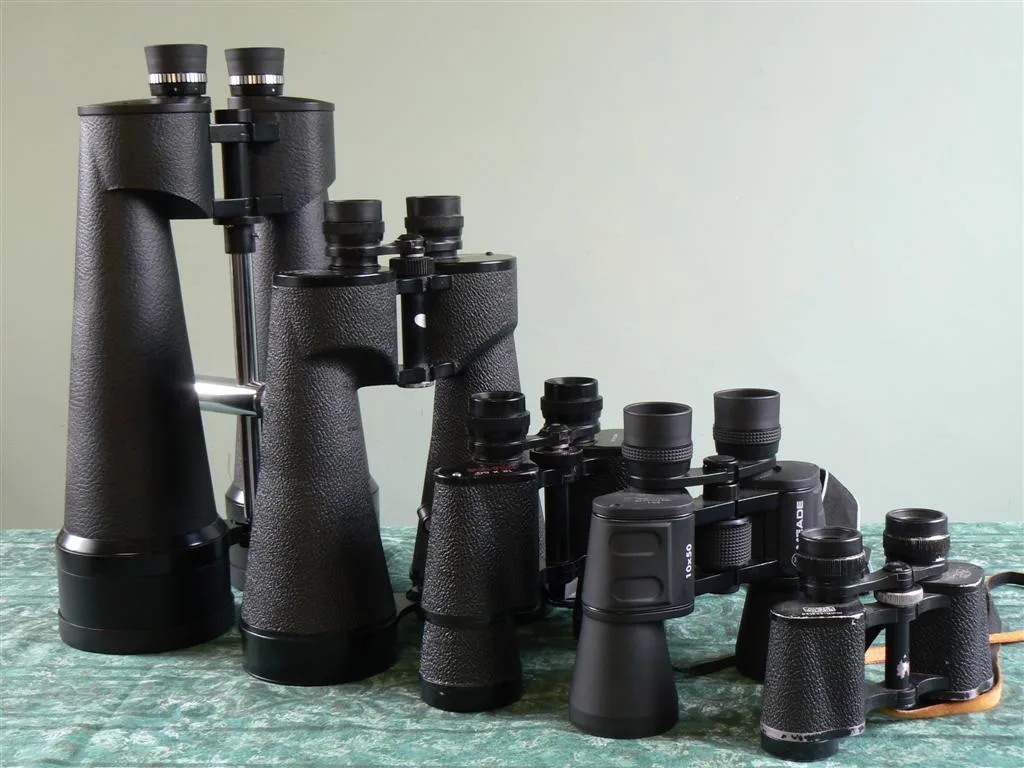
The best binoculars for stargazing are not the ones with the biggest numbers on the box. They are the pair you will actually carry outside, hold steady, and enjoy looking through for half an hour without your arms aching. For most people in the UK that means a well-made 10x50, with a bigger 15x70 as a tempting step up if you are happy to put it on a tripod.
This guide runs through the specifications that matter, then names the models that consistently earn their place, from a first handheld pair to a serious light bucket. Nothing here has a price attached, because those move constantly, and there are no invented links: check current stock at any reputable UK optics retailer.
How to read binocular numbers
Every pair is described by two figures, such as 10x50. The first is magnification: 10x makes an object look ten times closer. The second is the objective lens diameter in millimetres: 50mm lenses gather the light. For astronomy the second number matters more than the first, because faint stars only appear when enough light reaches your eye.
Two derived figures decide how a pair performs at night:
- Exit pupil. Divide the aperture by the magnification. A 10x50 gives a 5mm exit pupil, close to the width a dark-adapted pupil opens to, which is why 10x50 is the classic all-round astronomy size. A 15x70 gives about 4.7mm, still comfortable.
- Field of view. Wider fields make it far easier to sweep the sky and find targets. High magnification narrows the field and magnifies every wobble of your hands.
The practical ceiling for handheld use is around 10x. Push past it and the image shakes so much that you lose the detail the extra power was meant to reveal. That single fact shapes every recommendation below.
Best all-round pick: a 10x50
If you buy one pair, buy a 10x50. It is the sweet spot: enough aperture to show hundreds of stars invisible to the naked eye, a 5mm exit pupil suited to dark skies, and light enough to hold steady for a proper session. The same binoculars double for daytime birding, walking and sport, so they rarely gather dust.
The Nikon Aculon A211 10x50 is the pair most often handed to beginners, and deservedly. It is light for its class, comfortable to hold, and sharp enough across the middle of the field to show the Pleiades cluster, the craters along the Moon’s terminator, the four Galilean moons of Jupiter as tiny points, and the misty smudge of the Andromeda Galaxy on a clear dark night. It is not weatherproof and the edges soften, but for the money it is hard to beat as a first astronomy instrument.
The Opticron Adventurer II WP 10x50 is a strong alternative for UK observers who want waterproofing, which matters given our damp, dew-heavy nights. It is a little heavier but seals out the moisture that can fog cheaper pairs.
Best light bucket: a 15x70
When you have used a 10x50 for a while, the urge to gather more light is natural, and a 15x70 delivers it. Seventy-millimetre objectives collect roughly twice the light of 50mm lenses, so faint deep-sky objects brighten noticeably, and 15x resolves more structure on the Moon and hints at Jupiter’s cloud belts.
The Celestron SkyMaster 15x70 is the model that has introduced more people to binocular astronomy than any other. Nearly every astronomy society has a pair in the loaner cupboard. It uses BAK-4 prisms and multi-coated optics, and for its price the views are genuinely impressive.
There is a firm catch, and it is why the 15x70 is a second pair rather than a first. At 15x you cannot hold the image steady by hand; you need a tripod and an L-adapter to get the best from it. The SkyMaster range is also known to occasionally lose collimation (the alignment of the two barrels) after a knock, which causes eye strain if the two images do not merge. Handle it gently, check the alignment when it arrives, and use a tripod, and it rewards you.
If your budget stretches further, the Helios Stellar II 15x70 is a step up in build and optical consistency, aimed at observers who already know they are committed.
What about bigger, 20x80 or 25x100?
They exist, they gather even more light, and they are firmly tripod-only. A pair like the Celestron SkyMaster 25x70 or a large 20x80 shows more, but it is heavy, unforgiving of any wobble, and awkward to point at anything near the zenith without a specialist mount. Leave these until binocular astronomy has become a settled habit rather than a first purchase.
The accessories that actually matter
- A tripod and L-adapter for anything above 10x, and honestly useful even with a 10x50 during long sessions.
- A reclining chair or lounger, so you can look up in comfort rather than craning your neck.
- A red torch to read a star chart without ruining your dark adaptation.
For the reasoning behind buying binoculars before a telescope, see our guide on telescope vs binoculars for stargazing. If you are weighing the two most common astronomy sizes, our comparison of 10x50 vs 15x70 binoculars goes deeper, and our overview of binoculars for stargazing covers the basics from scratch. For a sense of what you can realistically expect to see, read what you can see with binoculars at night.
The Royal Museums Greenwich astronomy pages are a reliable, jargon-free reference on getting started: see the Royal Observatory Greenwich stargazing guides.
Frequently asked questions
What are the best binoculars for stargazing for a beginner? A 10x50 pair is the best starting point, because it gathers plenty of light, has a 5mm exit pupil suited to dark skies, and is light enough to hold steady. The Nikon Aculon A211 10x50 is a popular, affordable first choice, and the waterproof Opticron Adventurer II 10x50 suits damp UK nights.
Are 15x70 binoculars better than 10x50 for astronomy? They gather about twice as much light and show fainter objects, but you cannot hold 15x70 binoculars steady by hand, so they need a tripod. Buy a 10x50 first for handheld versatility, then add a 15x70 like the Celestron SkyMaster on a tripod when you want more light.
Do I need a tripod for stargazing binoculars? For a 10x50 you can manage handheld for shorter looks, though a tripod helps on long sessions. For anything at 15x or above a tripod is essential, because the shake at high magnification blurs the extra detail you paid for.
What can you see with binoculars at night? A good 10x50 shows the Moon’s craters, Jupiter’s four brightest moons, the Pleiades and other star clusters, the Andromeda Galaxy as a faint smudge, and thousands of stars invisible to the naked eye. Darker skies away from town make a bigger difference than a bigger pair of binoculars.
Are cheap binoculars good enough for stargazing? A decent budget 10x50 from a known brand is perfectly capable and is where most people should start. Avoid the very cheapest unbranded pairs, which often use inferior BK-7 prisms and poor coatings that dim and distort the view.
What magnification is best for stargazing binoculars? For handheld use, 10x is about the practical limit before shake spoils the image. Higher magnifications such as 15x, 20x and 25x reveal more but require a tripod, so 10x50 remains the best all-round choice for most stargazers.
Clear skies forecast? Get a nudge.
Our weekly email flags the next good UK observing window and one easy target to find.
Join the listMore from Starvest
Keep reading
Best Telescopes for Beginners in the UK (Tested by Price Bracket)
The best beginner telescopes in the UK by budget, from sub-£150 tabletop scopes to app-guided and smart telescopes, with real 2026 prices.
What Can You See with Binoculars at Night? A Realistic Astronomy List
A realistic list of what you can see with binoculars in astronomy, from the Moon and Jupiter's moons to Andromeda, with tips for spotting each from the UK.
How to Set Up and Use Your First Telescope (Step by Step)
How to use a telescope as a beginner: assemble the mount, align the finder, focus, and find your first targets. A clear step-by-step UK guide.