Dew Point Calculator: Will Your Telescope Dew Tonight?
Dew forms when your optics cool to the dew point, the temperature at which the air can no longer hold its water vapour. Enter the air temperature and relative humidity from your forecast or a tripod thermometer and this works out the dew point and how close you are to it. The number that matters is the gap between the air temperature and the dew point: the smaller it gets, the sooner your glass fogs.
Tonight's conditions
Why your telescope dews before the air does
On a clear night, any surface pointed at open sky radiates heat away to space faster than it gains it back from the air around it. That pushes the glass below air temperature, so the objective lens, corrector plate, finder and eyepiece can reach the dew point while a thermometer on the tripod still reads a little above it. Calm air makes it worse, because a breeze keeps topping the glass back up with warmer air. Cloud cuts the effect, since it sends heat back down.
That is why this calculator treats a gap of two degrees or less as a near-certain dew night, and why clear, calm conditions push the risk up a band. It is a rule of thumb, not a guarantee: open, low-lying sites and long, still nights dew sooner than a sheltered garden.
What to do with the result
- Low risk: a dew shield on the front of the tube is usually enough. Keep eyepieces in a closed case, not face-up on a table.
- Moderate risk: fit the dew shield before you start, cap optics when you stop to look at a chart, and have a heater band ready to go on if the gap closes.
- High risk: heater bands on the main optic from the start, plus the finder and eyepiece if you have them. Refractor lenses and the corrector plate on an SCT or Maksutov fog first; open Newtonian mirrors at the bottom of the tube hold out longest.
If your optics have already fogged, do not wipe them. Bring them indoors capped and let them warm up and dry on their own. The full set of fixes is in our guide to dew shields and heaters, and if you are carrying a telescope out from a warm house, read how long a telescope takes to cool down too.
How the dew point is worked out
The calculator uses the Magnus formula with the widely used Alduchov and Eskridge coefficients (17.625 and 243.04°C), which is accurate to a fraction of a degree across normal observing temperatures. The overnight check assumes the dew point stays roughly steady through the night, which is usually close enough on a settled, clear night but not when a weather front is passing through. When the dew point is below freezing, moisture lands as frost rather than water droplets.
Clear skies forecast? Get a nudge.
Our weekly email flags the next good UK observing window and one easy target to find.
Join the listMore from Starvest
Keep reading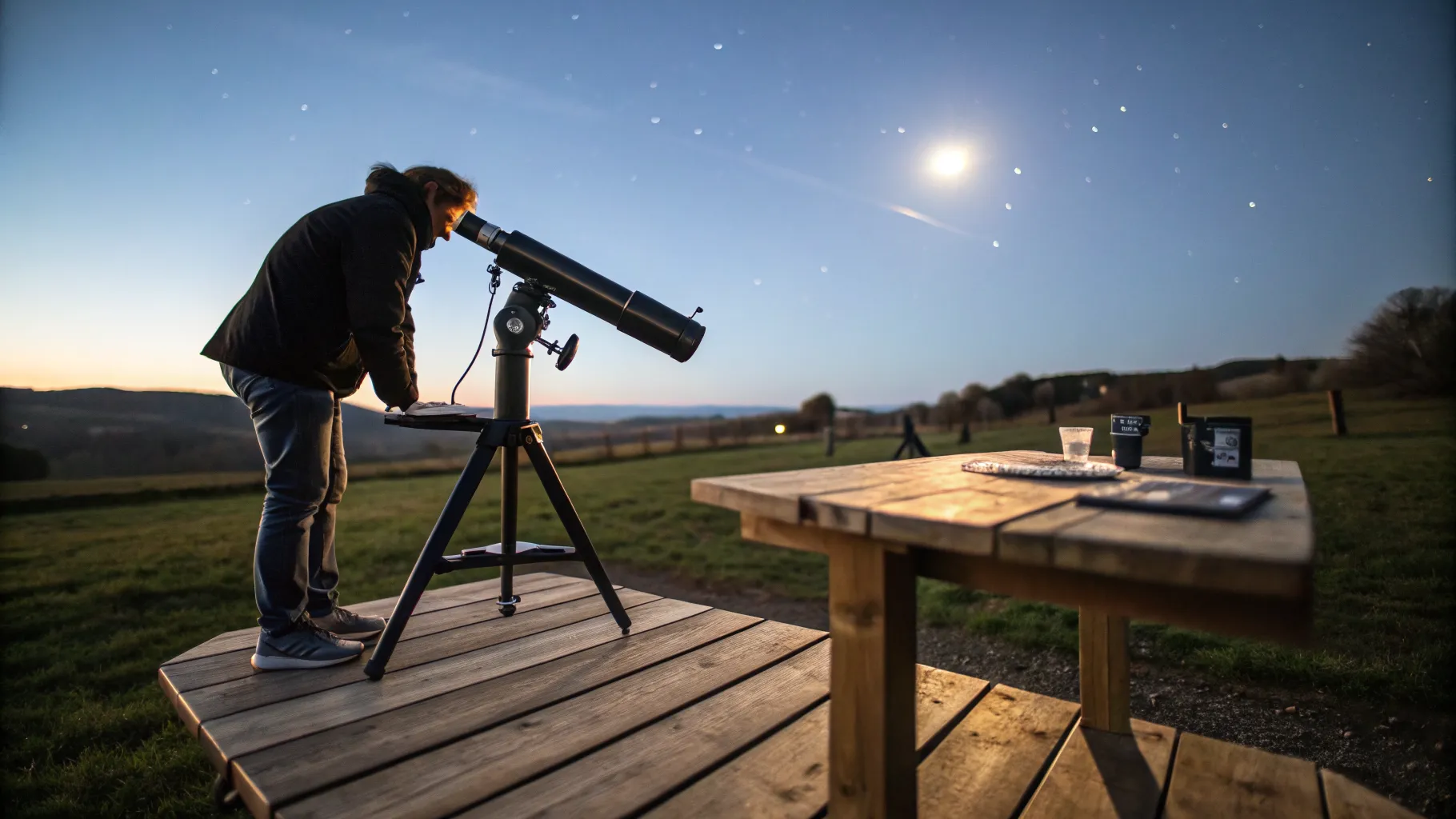
Best Telescopes for Beginners in the UK (Tested by Price Bracket)
The best beginner telescopes in the UK by budget, from sub-£150 tabletop scopes to app-guided and smart telescopes, with real 2026 prices.
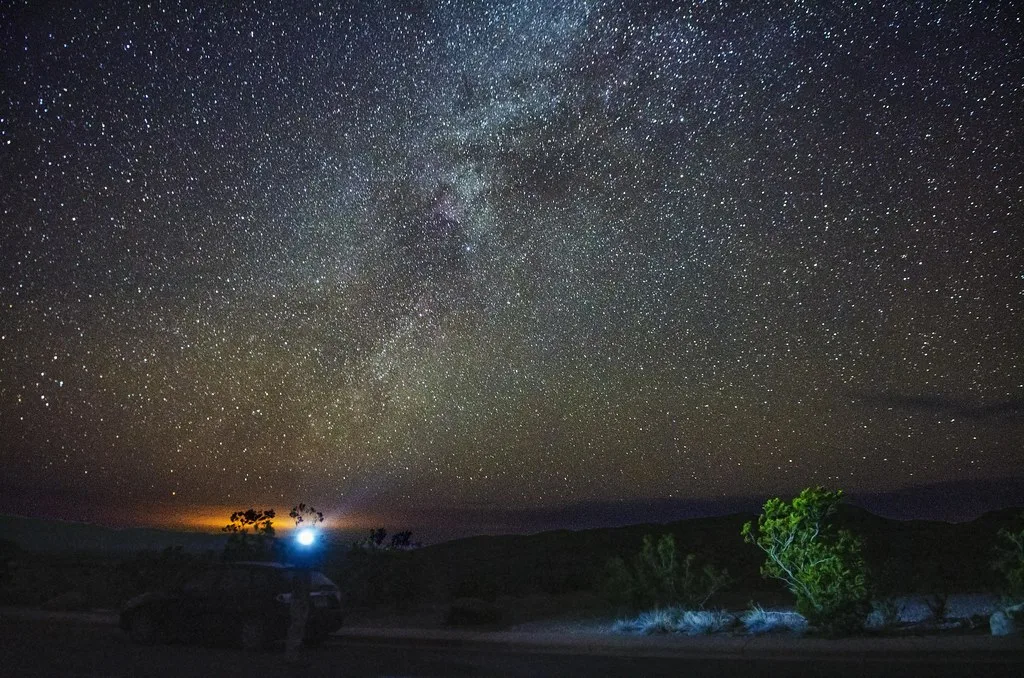
What Can You See with Binoculars at Night? A Realistic Astronomy List
A realistic list of what you can see with binoculars in astronomy, from the Moon and Jupiter's moons to Andromeda, with tips for spotting each from the UK.
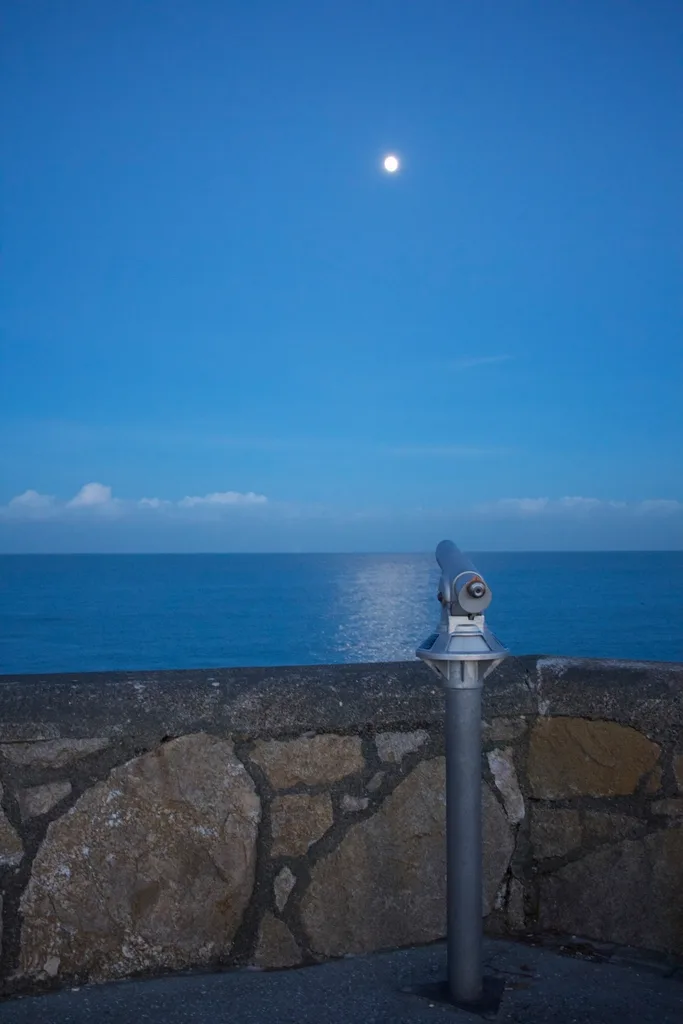
How to Set Up and Use Your First Telescope (Step by Step)
How to use a telescope as a beginner: assemble the mount, align the finder, focus, and find your first targets. A clear step-by-step UK guide.