Stargazing News: July 2026
July opens with the countdown to Europe’s first total solar eclipse since 1999, and the astronomy trade is already moving on it. There is a limited-run smart telescope built around the event, safe-viewing kit worth buying early, and a run of July sky targets to plan around. Here is what matters if you are choosing gear or booking observing sessions over the next few weeks.
ZWO builds an eclipse-edition Seestar
ZWO has announced a Seestar S30 Pro Total Solar Eclipse Edition, a globally limited version of its pocket smart telescope timed to the 12 August total eclipse, with sales opening on 2 July, according to ZWO’s Seestar news post. The optics and sensor are unchanged from the standard S30 Pro; what you are paying extra for is a tea-black finish with gold Baily’s-beads-and-diamond-ring artwork, eclipse-themed packaging, a device-locked app skin, and, more usefully, a bundled dedicated solar filter for safe solar imaging. For most buyers the plain S30 Pro plus a separately bought solar filter is the sensible route, but if you want a one-box eclipse camera the bundle is convenient. If you are weighing the whole category first, our smart telescope comparison and our guide to how smart telescopes work are the place to start.
The UK’s 90% partial eclipse is a month away
The 12 August total eclipse crosses northern Spain and Iceland, but from the UK it is a deep partial, with roughly 90% of the Sun covered from London and 94 to 95% from Cornwall and Pembrokeshire, per the Royal Observatory Greenwich. From London first contact is around 6.17pm, maximum near 7.12pm and the eclipse ends about 8.06pm, so it happens with the Sun low in the west; you will want a clear horizon in that direction. The buying point is timing: proper ISO 12312-2 eclipse glasses and white-light solar filters tend to sell out in the fortnight before an event, so order now rather than in early August. Never point an unfiltered telescope or binoculars at the Sun. Our beginner accessories guide covers what safe solar viewing actually requires.
Two meteor showers open in July
Two showers switch on this month: the Southern Delta Aquariids run from 12 July to 23 August, and the Perseids begin on 17 July, as flagged in the Royal Observatory’s Delta Aquariid guide. The Delta Aquariids are a modest shower of around 25 an hour at their 30 July peak, but that peak clashes with a nearly full Moon this year, so the darker mornings in the days beforehand are the better bet. The Perseids build slowly through late July before their moonless peak on 12 to 13 August, which is shaping up to be the meteor highlight of the year. No gear is needed for either; a reclining chair, a dark site away from town lights and patience beat any telescope.
The Buck Moon turns full on 29 July
July’s full Moon, the Buck Moon, falls on 29 July, according to the Royal Museums Greenwich full Moon calendar. As a summer full Moon it stays low across the southern sky from the UK, which exaggerates the Moon-illusion size effect near the horizon and can lend it an orange cast as its light passes through more atmosphere. A low, bright Moon is an easy and rewarding target through any small scope or binoculars, and the nights around it are a good time to catch craters and maria near the terminator rather than chase faint deep-sky objects.
Saturn and Mars return to the pre-dawn sky
Through July, Saturn and Mars climb into the eastern sky before dawn, with Saturn rising a little after 1am early in the month and earlier as the weeks pass, per the The Weather Network’s July sky guide. Saturn is the standout for small-scope owners: even a modest instrument shows the rings, which are opening back up after their near-edge-on phase. Mars is fainter and low, better as a naked-eye colour marker than a telescopic target right now. If you are still deciding what to buy for planets and the Moon, our guide to buying a first telescope explains how much aperture and magnification you actually need.
Clear skies forecast? Get a nudge.
Our weekly email flags the next good UK observing window and one easy target to find.
Join the listMore from Starvest
Keep reading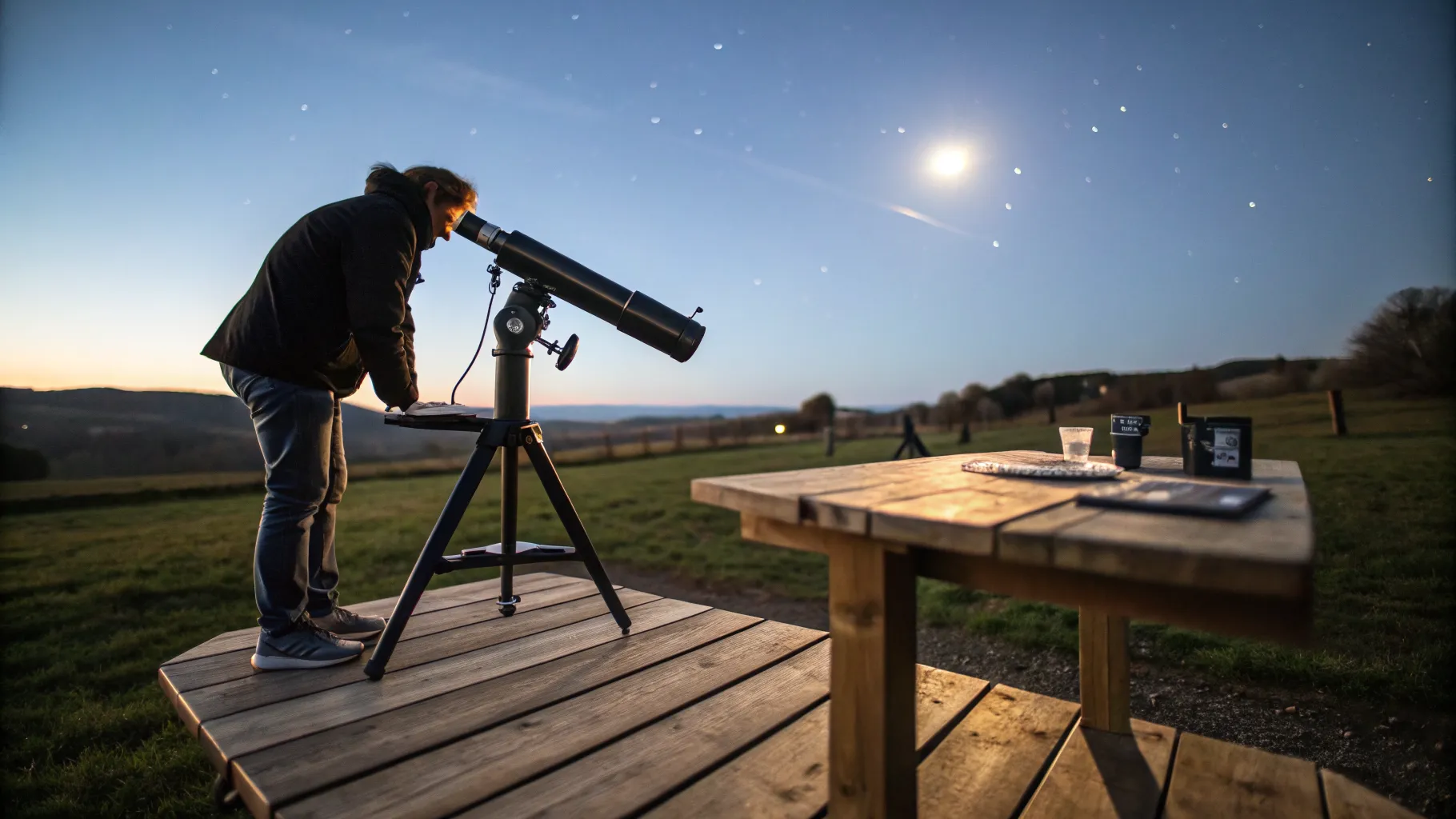
Best Telescopes for Beginners in the UK (Tested by Price Bracket)
The best beginner telescopes in the UK by budget, from sub-£150 tabletop scopes to app-guided and smart telescopes, with real 2026 prices.
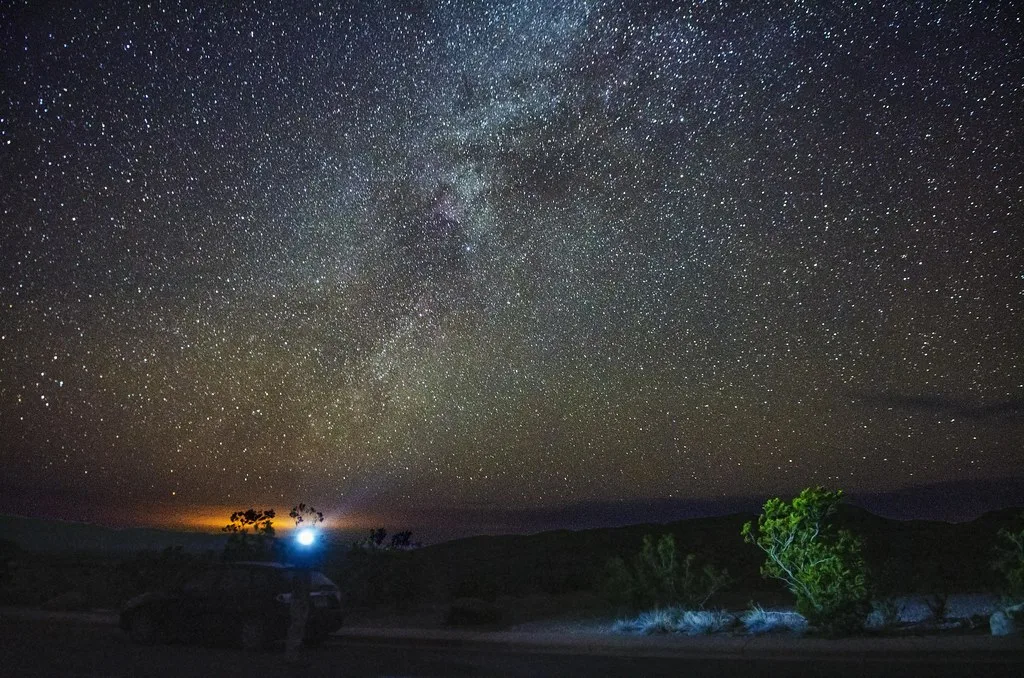
What Can You See with Binoculars at Night? A Realistic Astronomy List
A realistic list of what you can see with binoculars in astronomy, from the Moon and Jupiter's moons to Andromeda, with tips for spotting each from the UK.
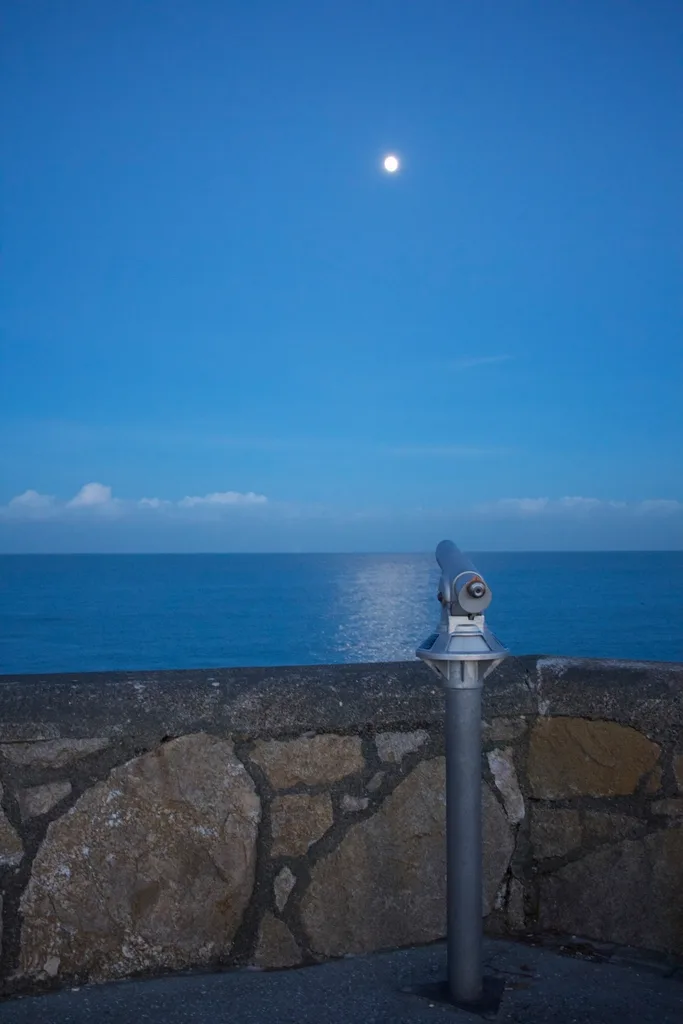
How to Set Up and Use Your First Telescope (Step by Step)
How to use a telescope as a beginner: assemble the mount, align the finder, focus, and find your first targets. A clear step-by-step UK guide.