Stargazing News: July 2026
The next fortnight is dominated by two big dates in August that are worth planning for now, plus a late-July evening pairing you can catch without any kit. Here is what changed this week, and what it means if you are watching the sky or shopping for gear.
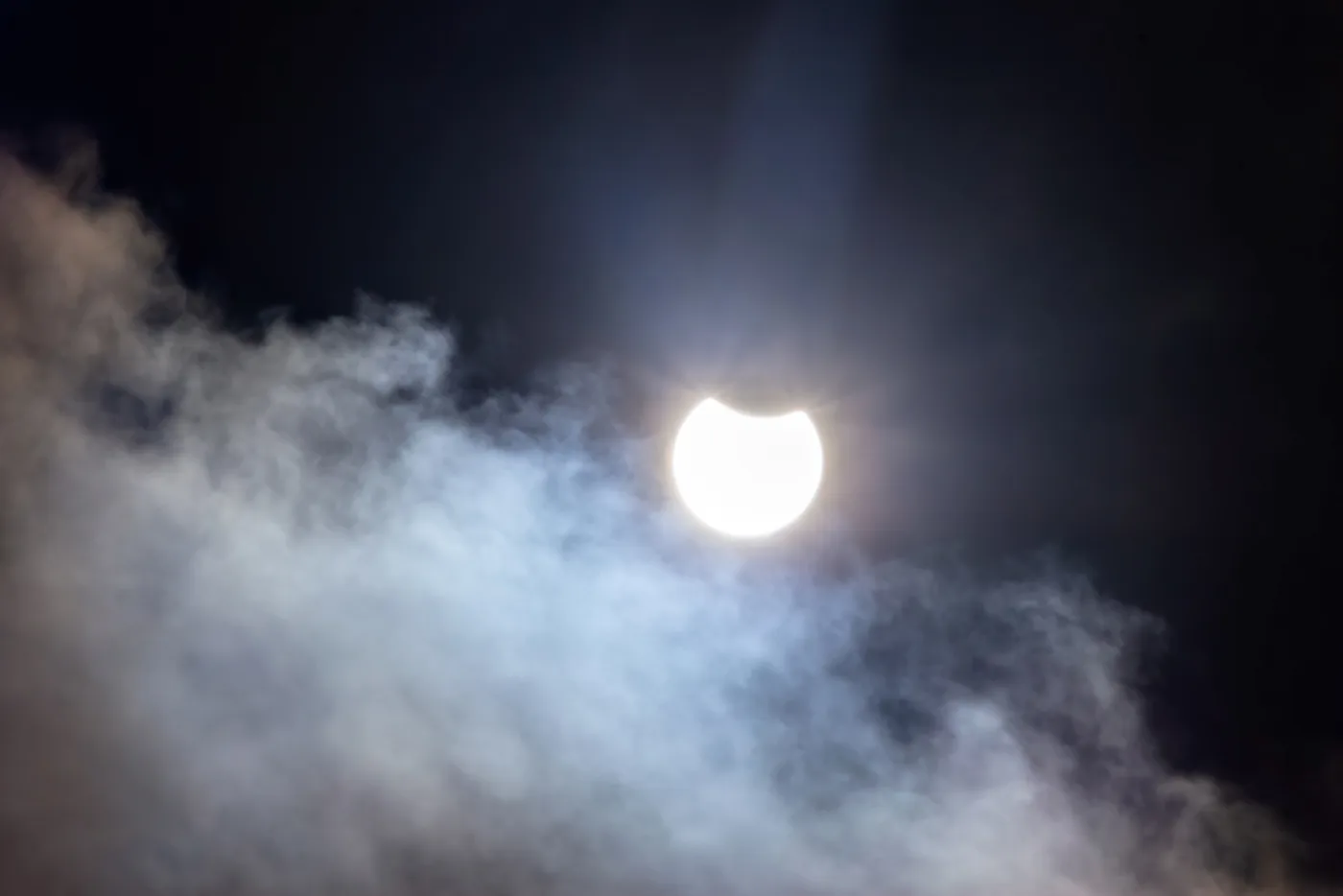
A deep partial solar eclipse crosses the UK on 12 August
The UK and Ireland are in for their best solar eclipse since 1999. On the evening of 12 August 2026 the Moon will cover around 90 to 96 percent of the Sun depending on where you stand, with London, Manchester and Glasgow near 91 percent and the far south-west of Cornwall and the Isles of Scilly reaching roughly 96 percent, according to the Royal Observatory Greenwich. Maximum happens low in the west between about 7:05pm and 7:13pm BST, so you will need a clear horizon. This matters for observers because a partial eclipse is never safe to view with the naked eye or through an unfiltered scope: you need certified eclipse glasses or a proper solar filter over the aperture, not a filter that screws into an eyepiece. Our telescope accessories guide explains why front-of-scope solar filtering is the only safe option.
The Perseids are back, and 2026 is a standout year
The Perseid meteor shower became active on 17 July and builds towards a peak overnight on 12 to 13 August, as the Natural History Museum sets out. The reason to circle it: the peak falls right on a New Moon, so there is no moonlight to wash out the fainter meteors, giving the darkest Perseid skies until 2028 and rates of up to 100 an hour from a genuinely dark site. No equipment helps here, and in fact a telescope hurts by narrowing your view. A reclining chair, warm layers and a spot away from town lights are all you need. If you are new to finding dark skies, our guide to buying a telescope in the UK covers why location beats aperture for this kind of target.
ZWO’s Seestar S30 Pro reaches UK shelves
ZWO’s upgraded smart telescope, the Seestar S30 Pro, has started shipping to UK buyers at around 599 pounds, with hands-on reviews now appearing, including one from T3. It keeps the lunchbox size and 1.65kg weight of the original S30 but swaps in a sharper four-element lens, a Sony IMX585 main sensor for roughly four times the detail, a second wide-angle camera and double the onboard storage. ZWO has also put out a limited Total Solar Eclipse edition timed to the August event. For anyone weighing an all-in-one imaging scope over a traditional beginner setup, our best smart telescope guide and Seestar S30 review put the range in context.
Venus meets the crescent Moon after sunset
For a low-effort evening view before the big August dates, brilliant Venus sits with a slim crescent Moon and the star Regulus low in the west shortly after sunset in the second half of July, as noted in EarthSky’s visible planets guide. Venus is unmistakable as the brightest evening object, and the earthshine on the unlit part of the crescent, the faint grey glow of sunlight bouncing off Earth, is a lovely binocular sight. The month closes with the Full Buck Moon on 29 July. None of this needs a telescope, but a pair of binoculars adds a lot, which is why our beginner accessories guide rates them as the first thing to buy alongside a first scope.
Clear skies forecast? Get a nudge.
Our weekly email flags the next good UK observing window and one easy target to find.
Join the listMore from Starvest
Keep reading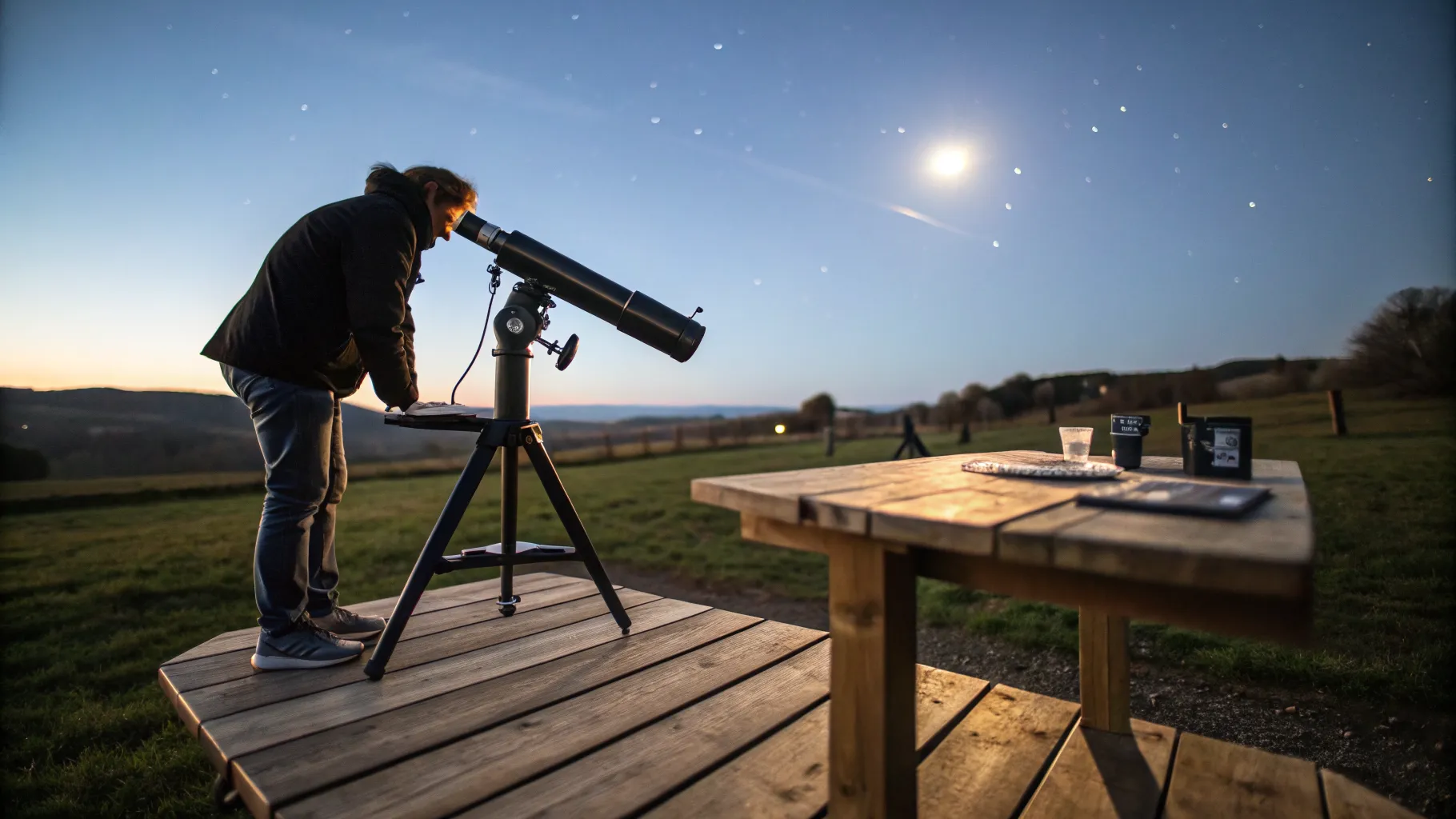
Best Telescopes for Beginners in the UK (Tested by Price Bracket)
The best beginner telescopes in the UK by budget, from sub-£150 tabletop scopes to app-guided and smart telescopes, with real 2026 prices.
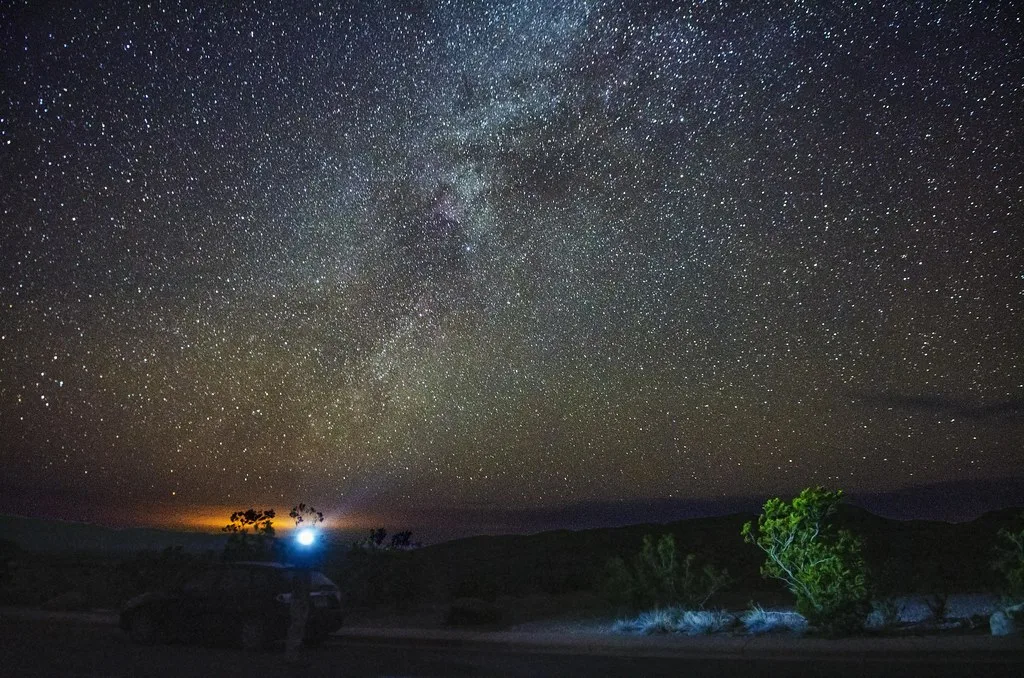
What Can You See with Binoculars at Night? A Realistic Astronomy List
A realistic list of what you can see with binoculars in astronomy, from the Moon and Jupiter's moons to Andromeda, with tips for spotting each from the UK.
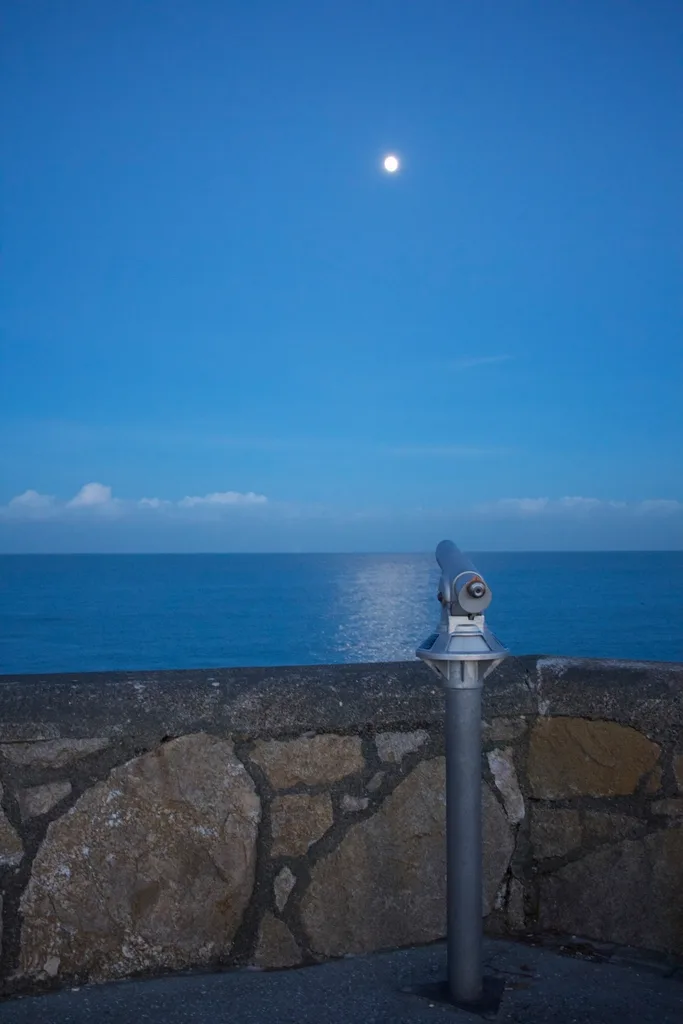
How to Set Up and Use Your First Telescope (Step by Step)
How to use a telescope as a beginner: assemble the mount, align the finder, focus, and find your first targets. A clear step-by-step UK guide.