Stargazing News: August 2026
August is stacking up as one of the busiest observing months of the year, and this week brought fresh detail on what to plan for. Alongside the 12 August eclipse and the Perseids we flagged last week, here are three developments worth your diary, from a pre-dawn parade of planets to a launch date for a Hubble successor.
Six planets line up before dawn around 12 August
The 12 August solar eclipse is grabbing the headlines, but the same stretch of mornings offers a quieter treat: six planets strung across the pre-dawn sky. As Star Walk sets out, Jupiter, Mercury, Mars, Uranus, Saturn and Neptune are all above the horizon before sunrise around 12 August, best caught roughly 30 to 60 minutes before your local sunrise with a clear, low eastern horizon. This is not a tight cluster you can frame in one view, it is a spread along the ecliptic, and the planets vary a lot in difficulty. Mars and Saturn are the easy naked-eye targets, Mercury sits low but is catchable, Jupiter is lower still, Uranus needs binoculars and Neptune needs a telescope. Mercury also reaches its greatest separation from the Sun on 2 August, which is why it is well placed all month, as National Geographic notes. If you fancy hunting the fainter members, our best telescope for planets guide and binoculars for stargazing guide cover what actually helps at low altitude.
A deep partial lunar eclipse closes the month on 28 August
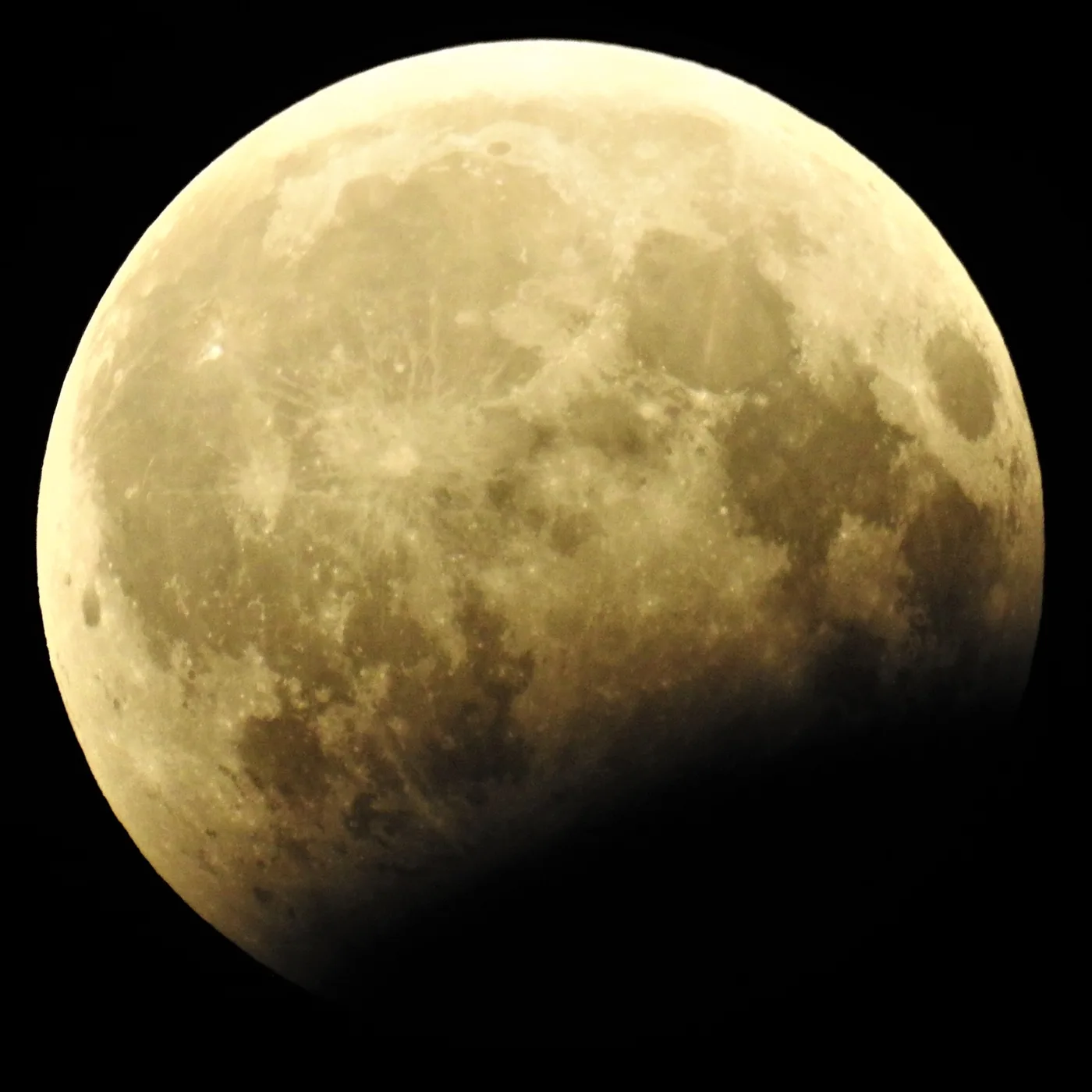
August ends with a second eclipse to bookend the solar one. On the morning of 28 August the full Sturgeon Moon passes deep into Earth’s shadow, with up to around 96 percent of the disc covered at maximum, which National Geographic describes as a near-total partial lunar eclipse. From the UK the event plays out low in the west before dawn, and the Moon sets while still inside the shadow, so a clear western horizon is essential and the earlier stages will be the ones you actually catch. Unlike a solar eclipse, a lunar eclipse is completely safe to watch with the naked eye, and no filters are needed. Binoculars are the ideal tool here, showing the curved edge of Earth’s shadow creeping across the craters, which is why our best binoculars for stargazing guide rates a decent pair as the first buy for lunar work.
NASA fuels the Roman Space Telescope for an August launch
Away from the eyepiece, NASA has moved its next big observatory to the launch pad stage. On 27 July the agency reported that its team had loaded 290 gallons of hydrazine into the Nancy Grace Roman Space Telescope on 25 July, clearing it for liftoff no earlier than 7:26am EDT on 30 August aboard a SpaceX Falcon Heavy. Roman carries a Hubble-sized mirror but a field of view around 100 times larger, and it will survey dark energy, exoplanets and the wider structure of the universe from the Sun-Earth L2 point about a million miles out. It is a reminder of the gulf between space observatories and backyard kit, but the physics is shared: a wide field is what lets a scope sweep the sky quickly, a trade-off we explain in our telescope aperture guide.
Clear skies forecast? Get a nudge.
Our weekly email flags the next good UK observing window and one easy target to find.
Join the listMore from Starvest
Keep reading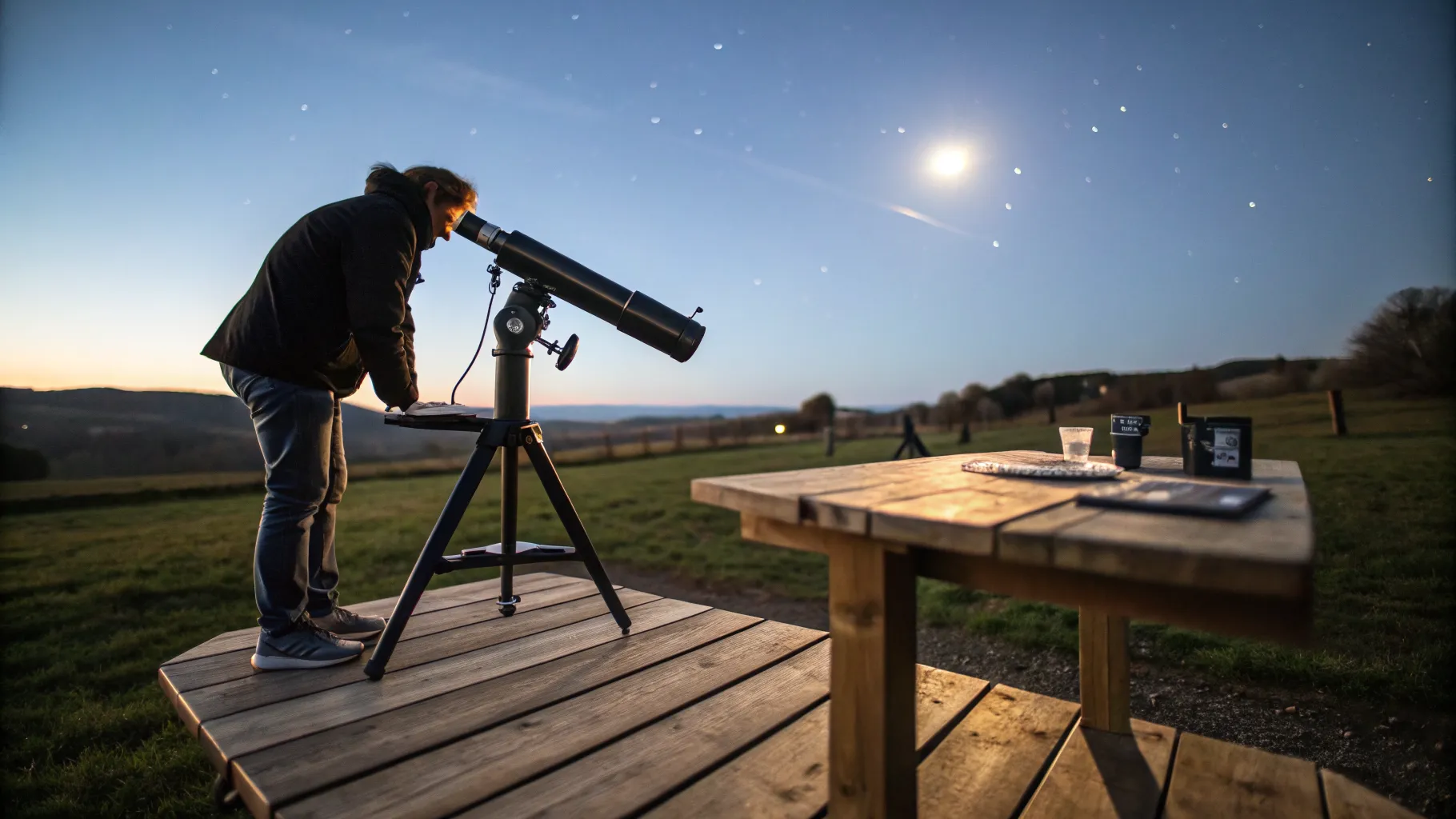
Best Telescopes for Beginners in the UK (Tested by Price Bracket)
The best beginner telescopes in the UK by budget, from sub-£150 tabletop scopes to app-guided and smart telescopes, with real 2026 prices.
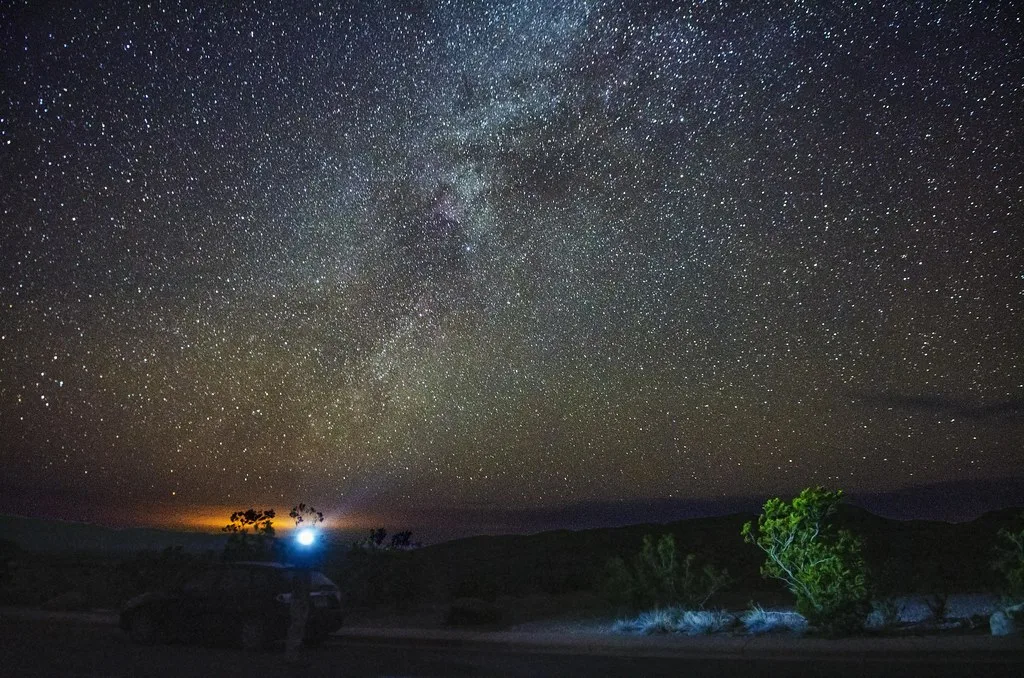
What Can You See with Binoculars at Night? A Realistic Astronomy List
A realistic list of what you can see with binoculars in astronomy, from the Moon and Jupiter's moons to Andromeda, with tips for spotting each from the UK.
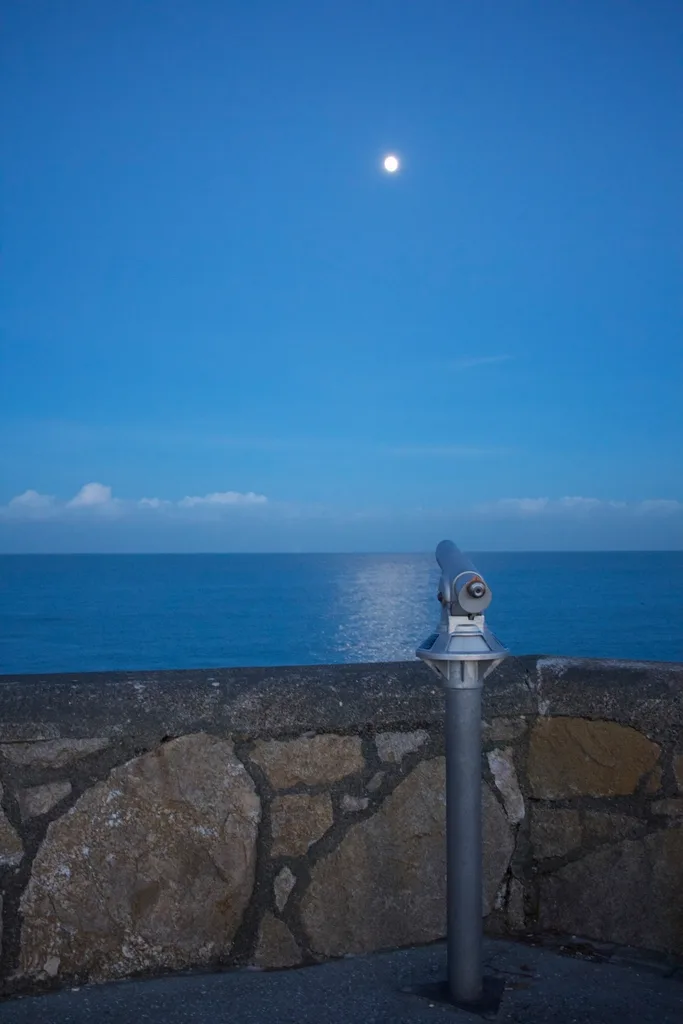
How to Set Up and Use Your First Telescope (Step by Step)
How to use a telescope as a beginner: assemble the mount, align the finder, focus, and find your first targets. A clear step-by-step UK guide.