Stargazing Events UK: Two Big Star Camps Clash in October
Search for stargazing events UK observers actually attend and you get two completely different things mixed into one list. One is the amateur star camp: a field full of telescopes, no lights, no programme, no instruction, where you bring your own kit and find your own targets. The other is the National Park dark skies festival: a ticketed public programme of walks, talks, planetarium shows and astrophotography workshops, most of which run whether the sky is clear or not. Turning up at the wrong one is the single most common way to waste a weekend.
Below are the confirmed dates for the rest of 2026 and into 2027, which type each event is, and the moon phase problem that decides how much you will actually see.
Star camp or festival: the distinction that matters
A star camp is astronomers camping together under a dark sky. There is a strict no-white-light rule for the whole event, cars usually cannot move on the observing fields after dark, and nobody is going to teach you anything unless you ask. Most run for the best part of a week with a two-night minimum. If you own a telescope and want dark skies plus company, this is the format.
A dark skies festival is a public events programme run by a National Park authority, spread over two or three weeks and dozens of venues. Individual events are booked separately, many sell out, and plenty of them are not astronomy at all: night walks, bioluminescence, night runs, crafting. If you do not own a telescope, this is the format that works, and our how to start stargazing page covers what to do before you book anything.
Autumn 2026: the confirmed dates
AstroCamp, Cwmdu, Bannau Brycheiniog. 12 to 15 September 2026. A twice-yearly star party under Welsh dark skies, run by Awesome Astronomy, with talks, workshops and a social programme alongside the observing. Dates and booking are on the AstroCamp site. It sits right after the 11 September new moon, so the observing window is genuinely dark.
Autumn Equinox Sky Camp, Kelling Heath, north Norfolk. 5 to 12 October 2026. The largest star party in the UK, coordinated by Loughton Astronomical Society with Kelling Heath management. All three touring fields go over to astronomers with a no-lights policy for the whole week: no car interior or boot lights after sunset, red torches only, and no car movements on the touring fields after dark. The main day is Saturday 10 October, with trade stands, afternoon talks and a raffle. Day visitors are not charged, but if you plan to stay into the evening, remember you cannot move your car off the field once it is dark. Book your pitch through Kelling Heath and say you are attending Sky Camp to get the observing rate.
Kielder Forest Star Camp, Northumberland. 7 to 12 October 2026. Held on Kielder Campsite in the darkest part of the Northumberland International Dark Sky Park, run by members of Sunderland Astronomical Society and the Kielder Observatory Astronomical Society. Minimum two nights, pitches booked in advance, and the main Saturday moves to Kielder Castle for free talks and an astronomy car boot sale. There is no beginners’ instruction, though people are generally happy to show you what is in their eyepiece.
Note the overlap. Kelling Heath and Kielder run on top of each other from 7 to 12 October 2026, and both take in the same Saturday. That is not a scheduling failure, it is both events being built around the same new moon, and it means you have to choose one.
Exmoor Dark Skies Festival. 16 October to 1 November 2026. The tenth edition, and Exmoor’s biggest programme yet at more than 70 events, across Europe’s first International Dark Sky Reserve. Confirmed highlights include Space Odyssey planetarium sessions at Minehead on Monday 19 October and Lynton on Saturday 31 October, and a multimedia production, Wonders of our Universe, at the Regal Theatre in Minehead on 25 October. Events sell out most years. National Park Authority events can be refunded with at least 48 hours notice, but other organisers set their own terms, and most events run even if the sky is cloudy.
North York Moors and Yorkshire Dales Dark Skies Fringe Festival. 23 October to 1 November 2026. The autumn companion to the February festival, run jointly by the two park authorities, with stay-and-gaze packages, night walks and stargazing events across both parks.
Cumbria Dark Skies Festival. October to November 2026, dates to be confirmed. Night canoeing on Coniston Water, starlit swims in Ullswater, guided night trail running and an accessible dark skies residential weekend. The National Parks festival hub carries the dates when they land.
The moon decides what you see
This is the part the event listings tend to skate over. A dark sky site under a full moon performs worse than a mediocre site under a new moon, and the multi-week festivals necessarily span both.
The new moon falls at 16:50 on Saturday 10 October 2026, in the middle of both star camps. That is why the fields are full that week.
The two October festivals run the other way. Both take in the full moon of 26 October, and the moon is bright in the evening sky either side of it. If you are booking an Exmoor or Fringe event specifically to look through a telescope rather than to walk, swim or listen to a talk, pick a date near the start or the end of the window rather than the last week of October. For anything else on the programme, moonlight is not a problem and can be an advantage.
Our page on reading a light pollution map covers the other half of the equation, which is the ground rather than the sky.
February 2027 and beyond
North York Moors and Yorkshire Dales Dark Skies Festival, 5 to 21 February 2027. The twelfth edition of the collaboration that started in 2016, and the anchor event of the UK winter calendar: night runs, canoeing, night navigation, astrophotography workshops, stargazing safaris, daytime children’s trails, art workshops.
North East Dark Skies Festival, February 2027, dates to be confirmed. A region-wide programme including events at Kielder Observatory and Battlesteads Observatory, which is the pairing to look at if you want a guided night with a large telescope rather than your own.
South Downs Dark Skies Festival, February 2027, dates to be confirmed. The most accessible dark sky reserve for anyone in the south east, covered in more detail in our stargazing near London page.
Welsh Dark Skies Week, February 2027, dates to be confirmed. All eight of Wales’s protected landscapes now take part together: the three National Parks (Eryri, Bannau Brycheiniog and Pembrokeshire Coast) and five National Landscapes (Anglesey, Pen Llŷn, Clwydian Range and Dee Valley, Gower and Wye), with mobile observatories and pop-up planetariums. See our guide to Welsh dark sky sites for where to base yourself.
Star camp dates further out are already published. Kielder runs 3 to 8 March 2027 and 27 October to 1 November 2027. Kelling Heath’s next autumn camp is 27 September to 4 October 2027. Both are worth diarising early, because campsite pitches for the good weeks go first.
What to bring, and the etiquette that gets enforced
At a star camp the light rules are not decorative. White light kills everybody’s dark adaptation for twenty minutes or more, and at Kelling Heath the policy covers the whole week across all three fields.
- A red torch, and nothing else. Phone screens on full brightness are the usual offender. Turn on your phone’s red or night filter before you arrive.
- Tape over car lights. Interior lights, boot lights and courtesy lights all come on when you open a door. Check what yours does before dark.
- Arrive before sunset. Once it is dark you may not be able to move a vehicle on the field at all.
- Two nights minimum. UK weather means one night is a coin flip. Most camps require two anyway.
- Warm clothing beyond what feels sensible. Standing still for four hours in October is a different proposition from walking.
If you do not own a telescope yet, a pair of binoculars will get you more out of a first star camp than a cheap scope you cannot collimate in the dark. Our binoculars for stargazing page covers the sensible starting specifications, and a tripod matters more than most people expect.
Which one should you actually go to
If you own a telescope and want the darkest possible sky: Kielder in October, or Kelling Heath if you are closer to East Anglia and want the trade stands.
If you own nothing and want to be shown things: a February festival, or a booked session at Kielder Observatory or Battlesteads.
If you are bringing children: the National Park festivals, which run daytime trails and craft events alongside the night programme, and which do not depend on clear skies.
If you cannot travel at all, the dark sky sites list and our regional pages for England and Scotland will find you something closer, and naked-eye stargazing needs no equipment or ticket at all.
Frequently asked questions
What is the biggest stargazing event in the UK? The Autumn Equinox Sky Camp at Kelling Heath in north Norfolk, coordinated by Loughton Astronomical Society, which takes over all three touring fields at the holiday park for a week. In 2026 it runs from 5 to 12 October with the main day on Saturday 10 October.
Do I need my own telescope to attend a star party? For a star camp, effectively yes, or at least binoculars. There is no equipment hire and no formal instruction, though observers are usually happy to let you look through their eyepiece. National Park dark skies festivals are the opposite: most astronomy sessions supply the telescope.
Are UK stargazing events free? Star camps are free to attend as a day visitor at both Kelling Heath and Kielder, and the main Saturday talks at Kielder Castle are free. You pay for the campsite pitch if you are staying. Festival events are individually ticketed, with a mix of free and paid sessions.
When is the best time of year for stargazing events in the UK? October and February, which is why the calendar clusters there. Nights are long enough to be useful, the weather has not yet turned reliably wet, and both months carry a new moon that organisers plan around.
What happens if it is cloudy? Star camps carry on and people wait it out, which is the reason for the two-night minimum. Most festival events run regardless because they are not all telescope-dependent. Exmoor National Park Authority will refund its own events with at least 48 hours notice, but every other organiser sets its own terms, so check before you book.
Can I bring my car onto the observing field? Only before dark. Both major star camps prohibit car movements on the observing fields after sunset, and that includes leaving. Park where you can walk out if you plan to go home the same night.
Clear skies forecast? Get a nudge.
Our weekly email flags the next good UK observing window and one easy target to find.
Join the listMore from Starvest
Keep reading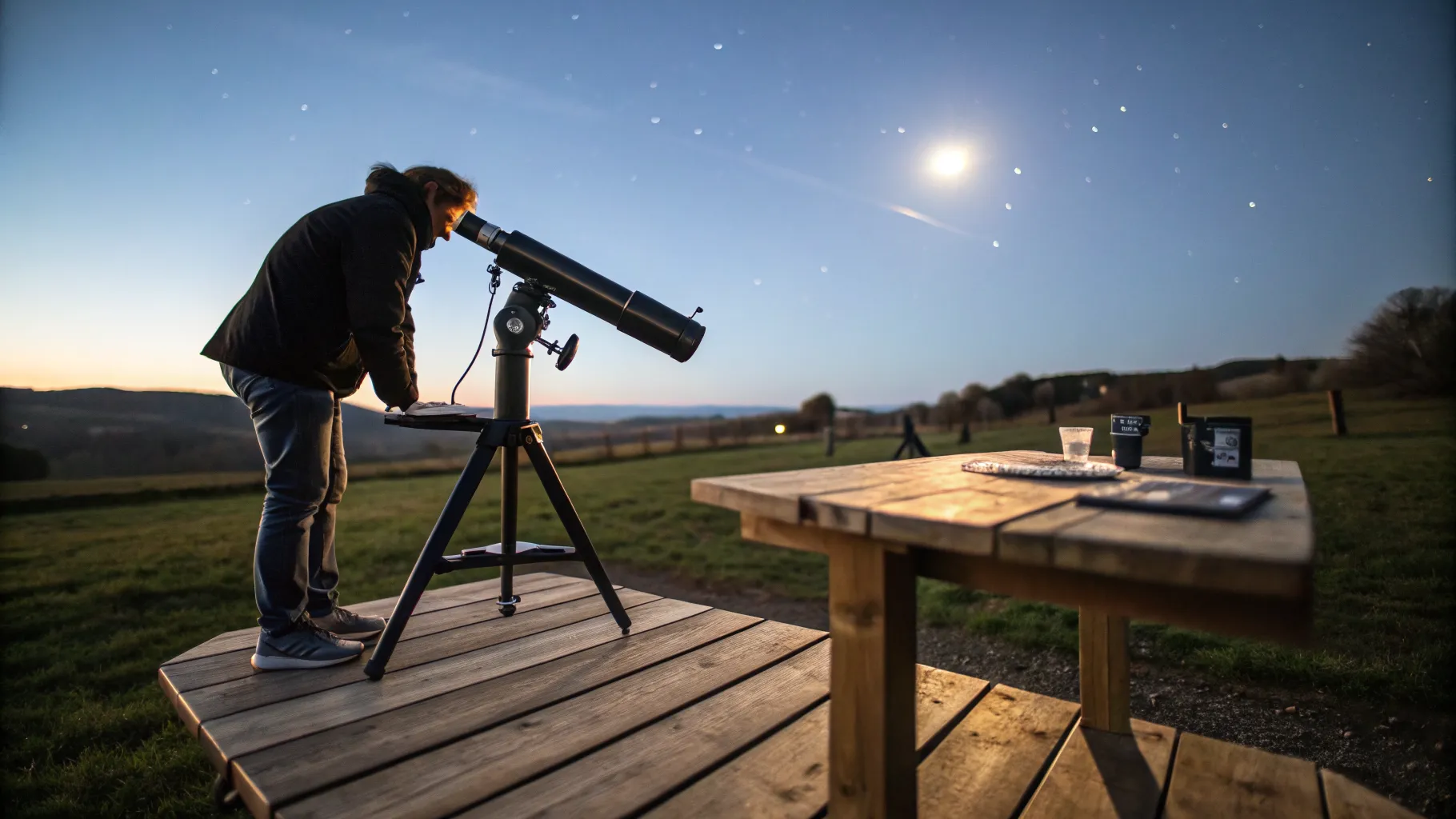
Best Telescopes for Beginners in the UK (Tested by Price Bracket)
The best beginner telescopes in the UK by budget, from sub-£150 tabletop scopes to app-guided and smart telescopes, with real 2026 prices.
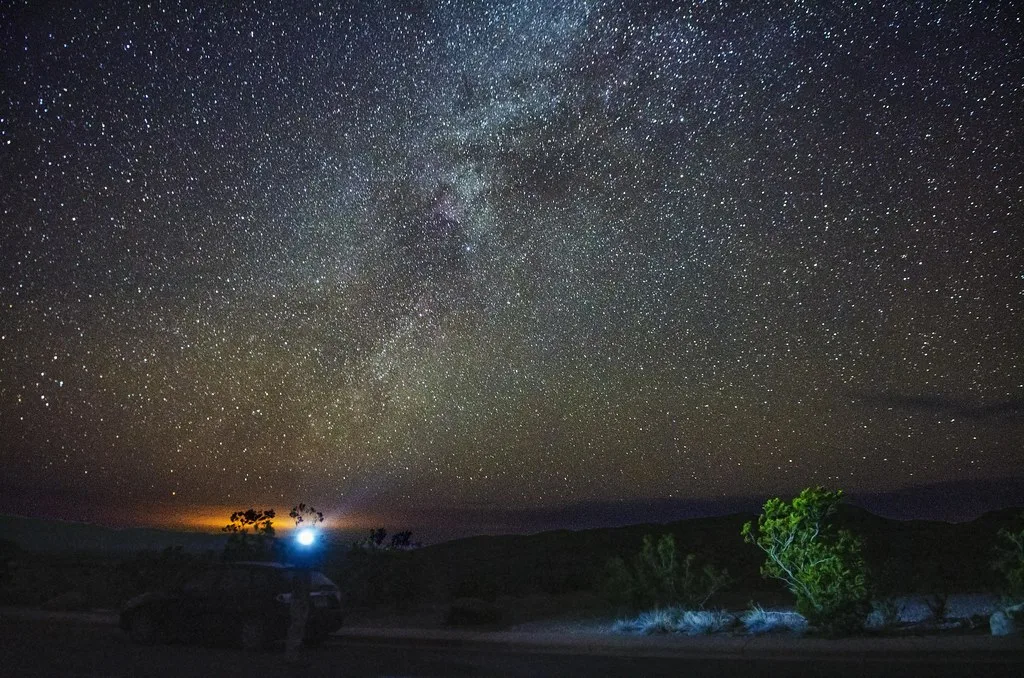
What Can You See with Binoculars at Night? A Realistic Astronomy List
A realistic list of what you can see with binoculars in astronomy, from the Moon and Jupiter's moons to Andromeda, with tips for spotting each from the UK.
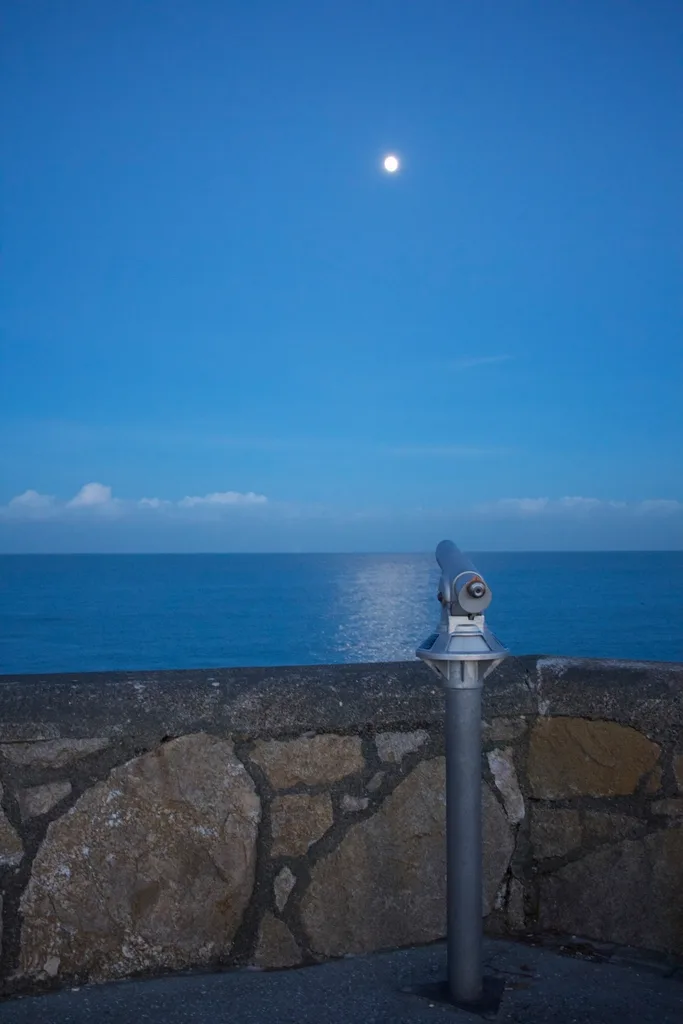
How to Set Up and Use Your First Telescope (Step by Step)
How to use a telescope as a beginner: assemble the mount, align the finder, focus, and find your first targets. A clear step-by-step UK guide.